

Skip to content
KAYAI

Research Assistant
PhD Student, Computer Engineering

Department of Computer Engineering, Computer Science Division
Bursa Uludağ University

PhD Student · Computer Engineering

Intelligent systems that work reliably in the real world, and the people they have to work with.

KAYAI · my AI digital twin

(01) About

I am a researcher in computer engineering working on intelligent systems that must perform reliably in the real world, and on how stochastic models actually behave. I transitioned from engineering practice to research, yet I still jot down ideas in a notebook—ideas worth testing that could come to life outside the laboratory.

Profile

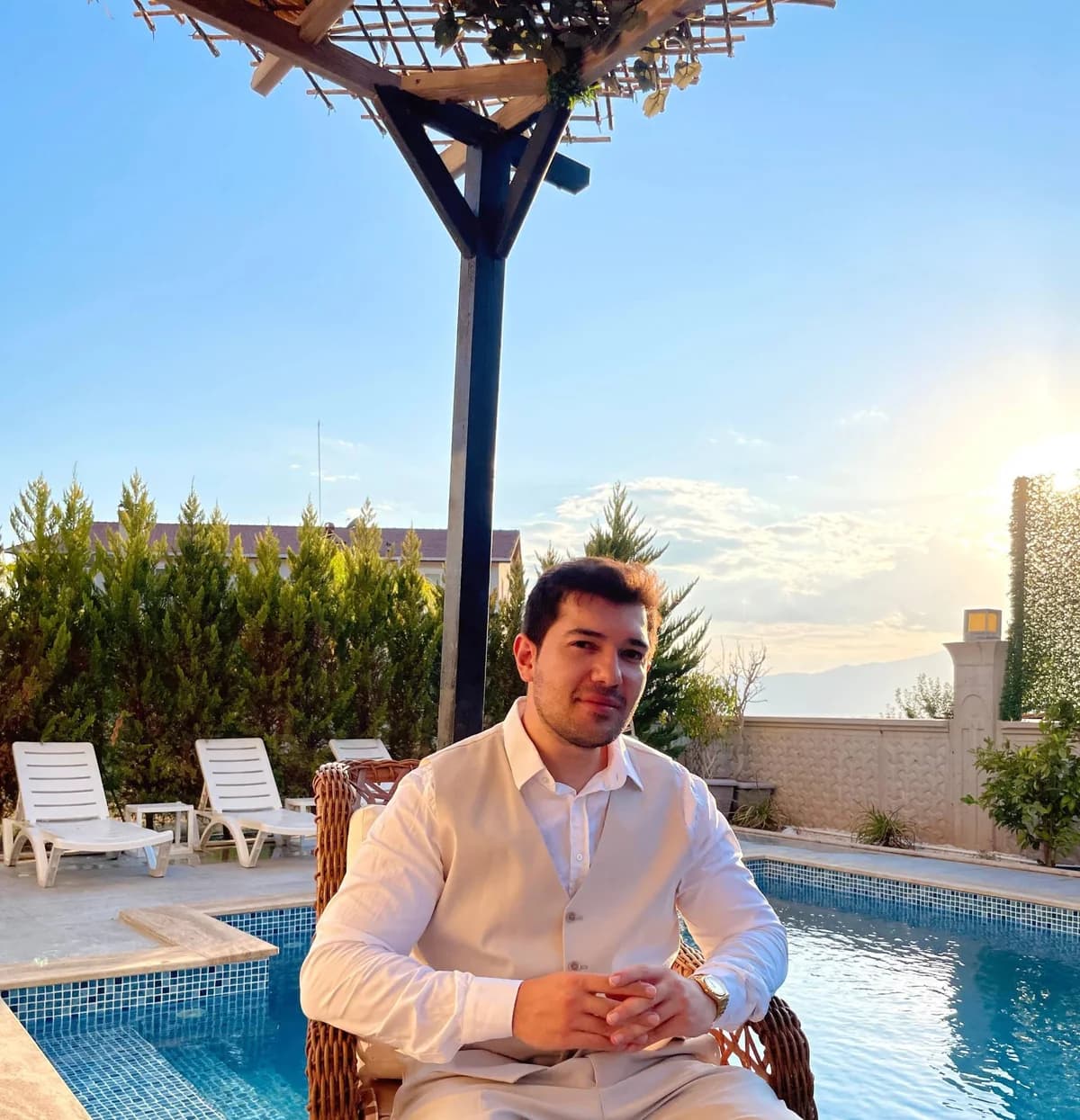
About me

Fatih Kaya

Fatih Kaya

Research Assistant · Bursa Uludağ University

I am a PhD student and research assistant in the Department of Computer Engineering, Computer Science division at Bursa Uludağ University. My research spans intelligent systems, digital twins, smart mobility, multi-agent systems and probabilistic computing.

I studied electrical-electronics engineering, then worked in industry for a while, before moving into research. That is why I favour ideas that hold up outside the lab.

I am open to research conversations and collaboration.

Publications
8
Ongoing projects
2

Now

  • StatusPhD Student
  • MSc thesisGamified Trust System for Differential Routing: Layered Optimisation of Traffic Congestion
  • TeachingData Structures laboratory

Education

  1. PhD, Computer Engineering

    Bursa Uludağ University · Bursa

    Ongoing
  2. MSc, Computer Engineering

    Bursa Uludağ University · Bursa

    Completed
  3. Erasmus+, Electrical-Electronics Eng.

    Politechnika Częstochowska · Poland

    2021
  4. BSc, Electrical-Electronics Eng.

    Akdeniz University · Antalya

    2018 — 2022

Experience

  1. Research Assistant · Bursa Uludağ University

    Feb 2024 — present

    Research in the Department of Computer Engineering; instructor of the Data Structures laboratory and contributor to departmental administration.

  2. Project Engineer · ADASTEC Corp.

    Mar 2023 — Jan 2024

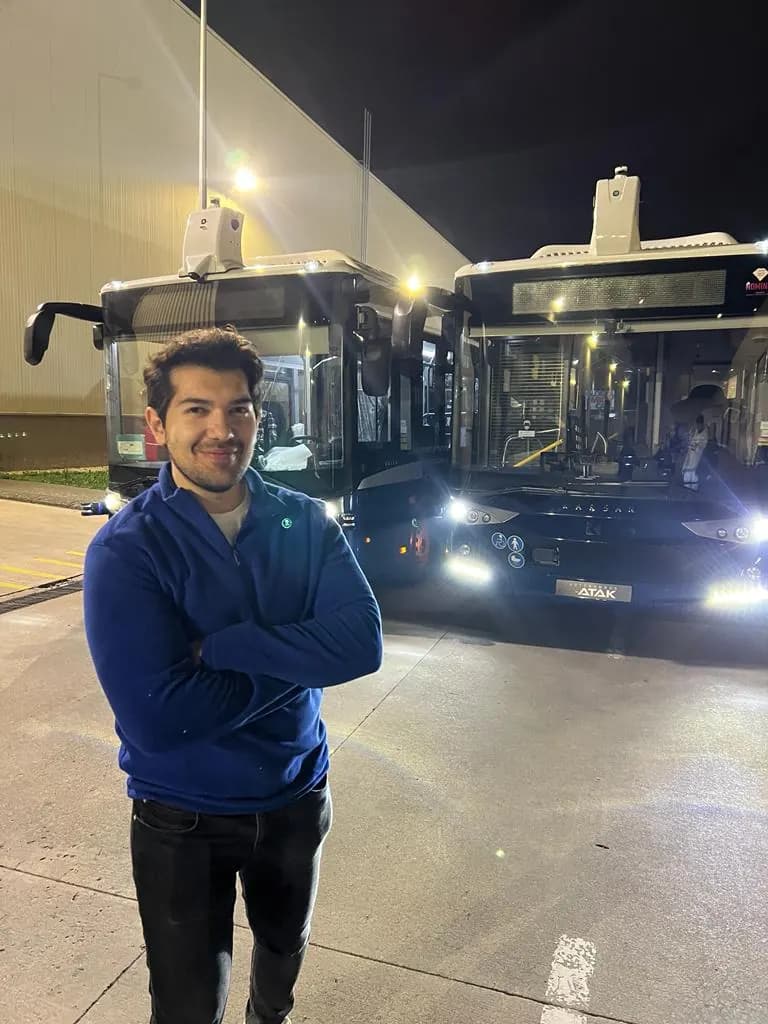
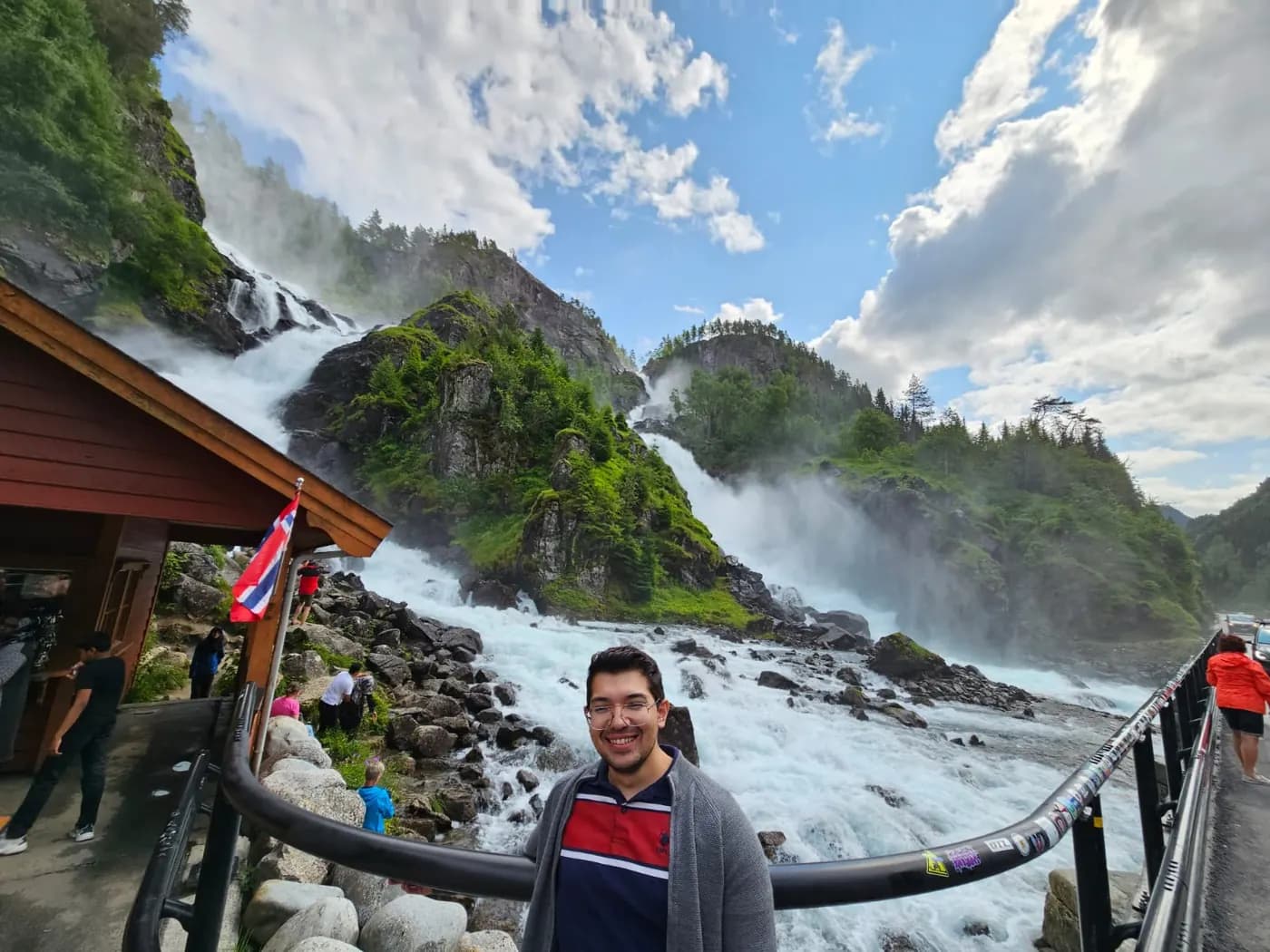
    Research and development on the world's first mass-produced Level 4 autonomous bus, developed by KARSAN and ADASTEC, and promotional activities in Norway, where the vehicle is in service.

  3. Instrumentation & Control Engineer · Shanghai Electric Group

    Dec 2022 — Mar 2023

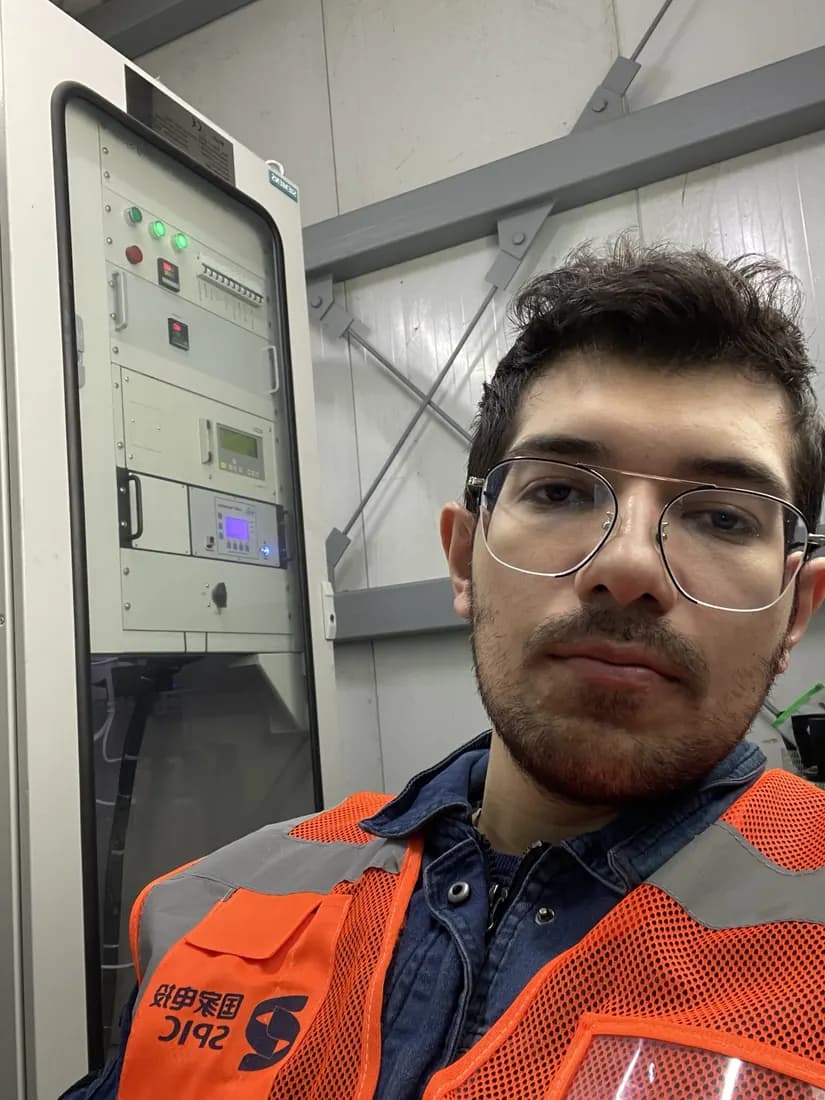
    Responsible for the continuous operation of field instrumentation and the coordination of technical operations at a 1320 MW thermal power plant.

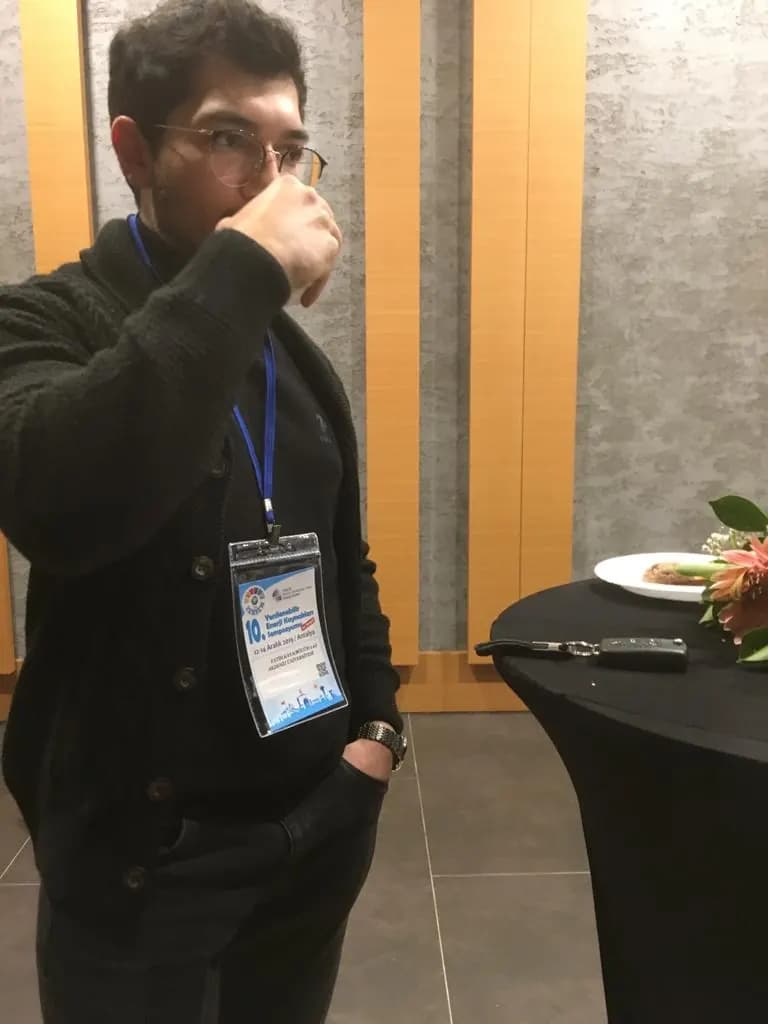
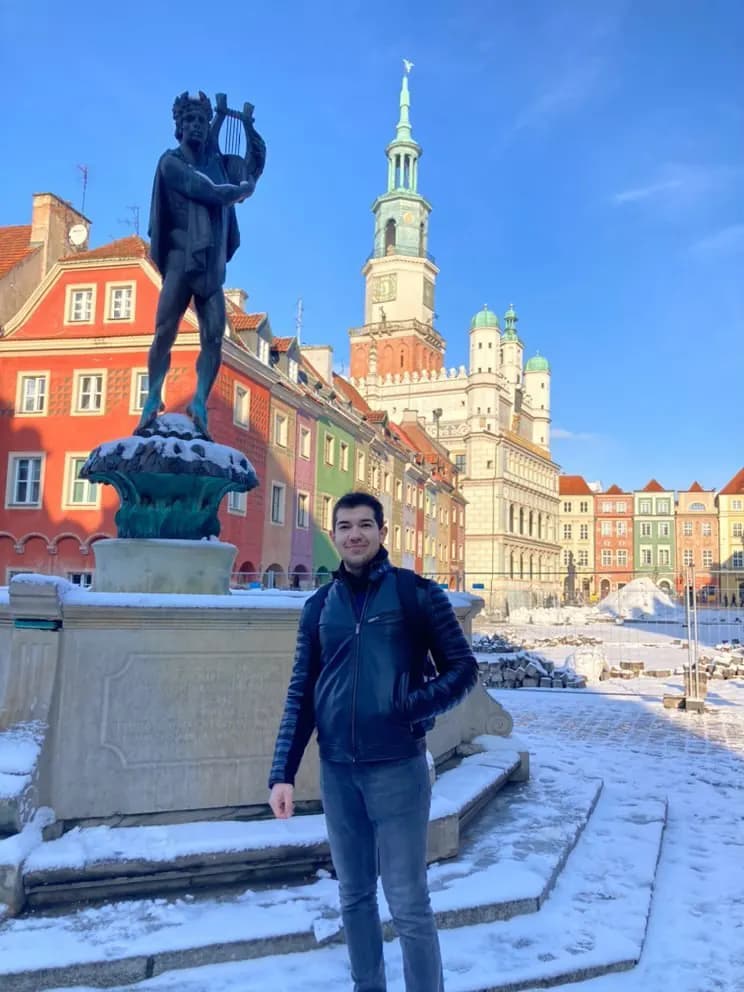
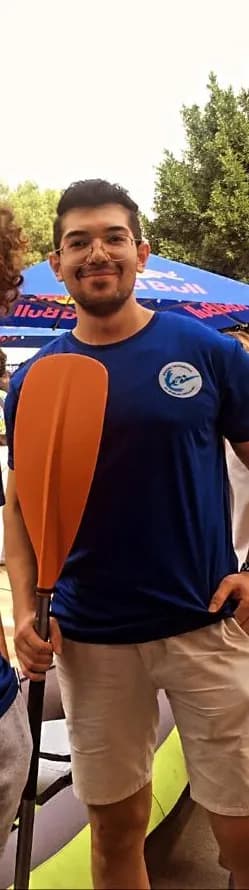
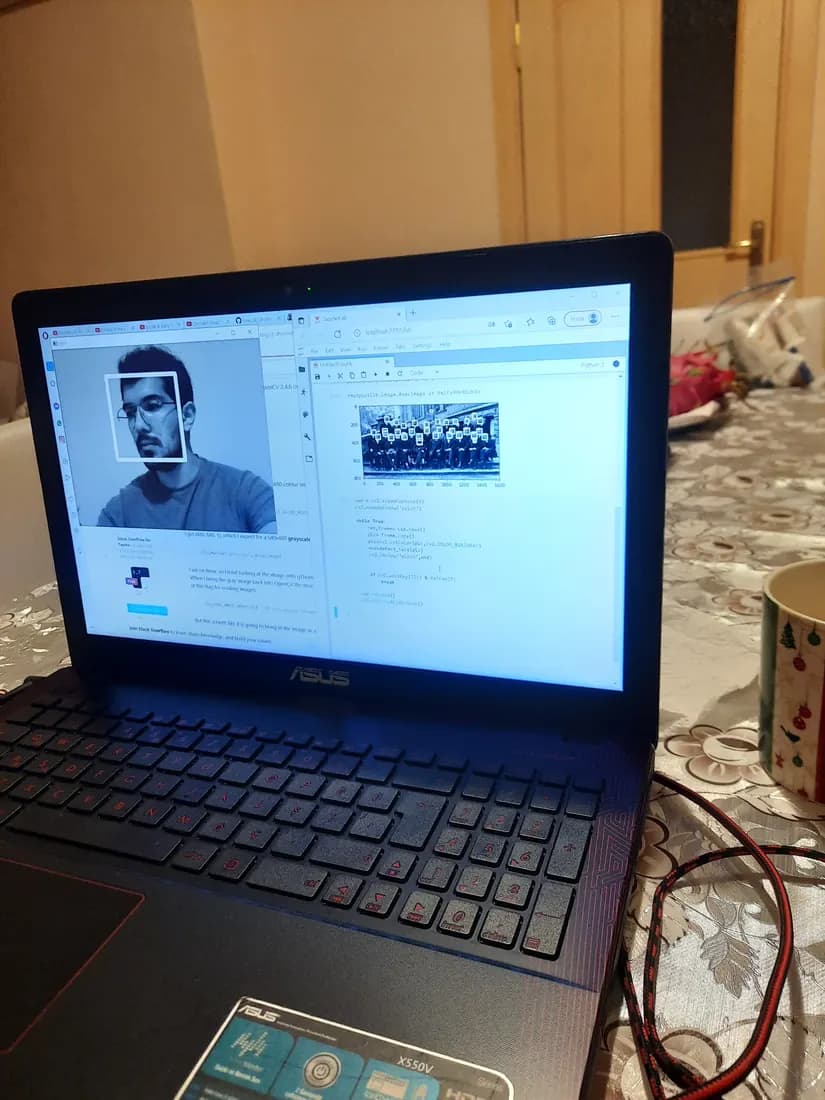
(02) Life

Everything can be fun.

(03) Research

Research areas

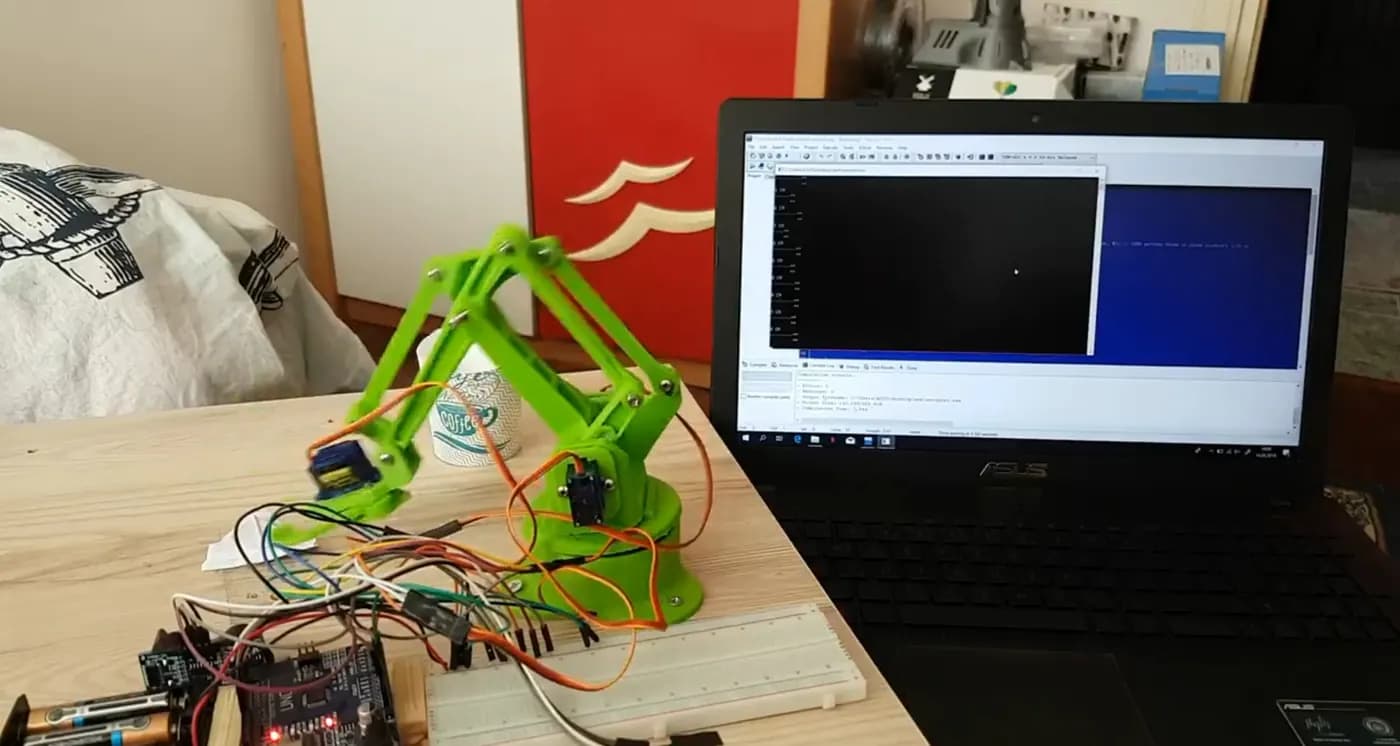
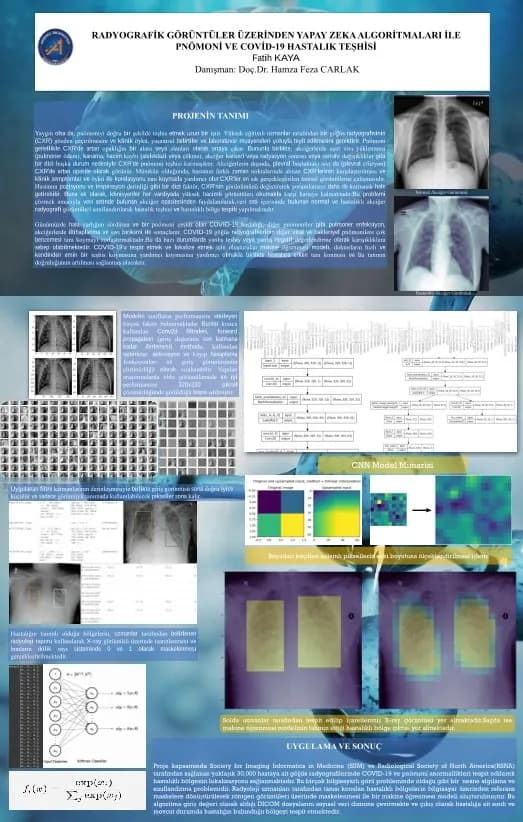
  1. My research journey began with a deceptively simple question: How do you teach an algorithm a truth that even humans sometimes fail to perceive? Initially, this was more of a curiosity than research for me. At that time (2018), I was in my first year of undergraduate studies and had begun to explore newly emerging image processing techniques. A photograph was being converted into object labels in seconds... at the time, it seemed like alien science to me. I researched these topics for a long time, but I still couldn't convince myself that it wasn't alien science. I didn't publish my work on this as a paper, frankly, my aim at the time was simply to explore:

    1. Second semester

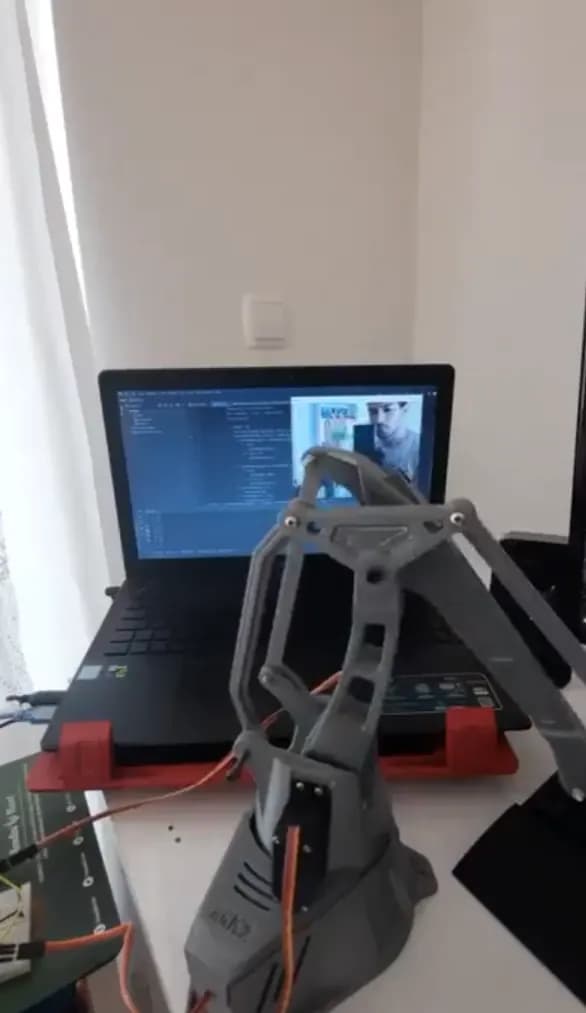
      A robotic arm working via an ultrasonic sensor calculates the position of every object within its field of view, then throws them to trash.

    2. Fourth semester

      A robotic arm that moves along the x-y-z axis by tracking hands.

    3. Sixth semester

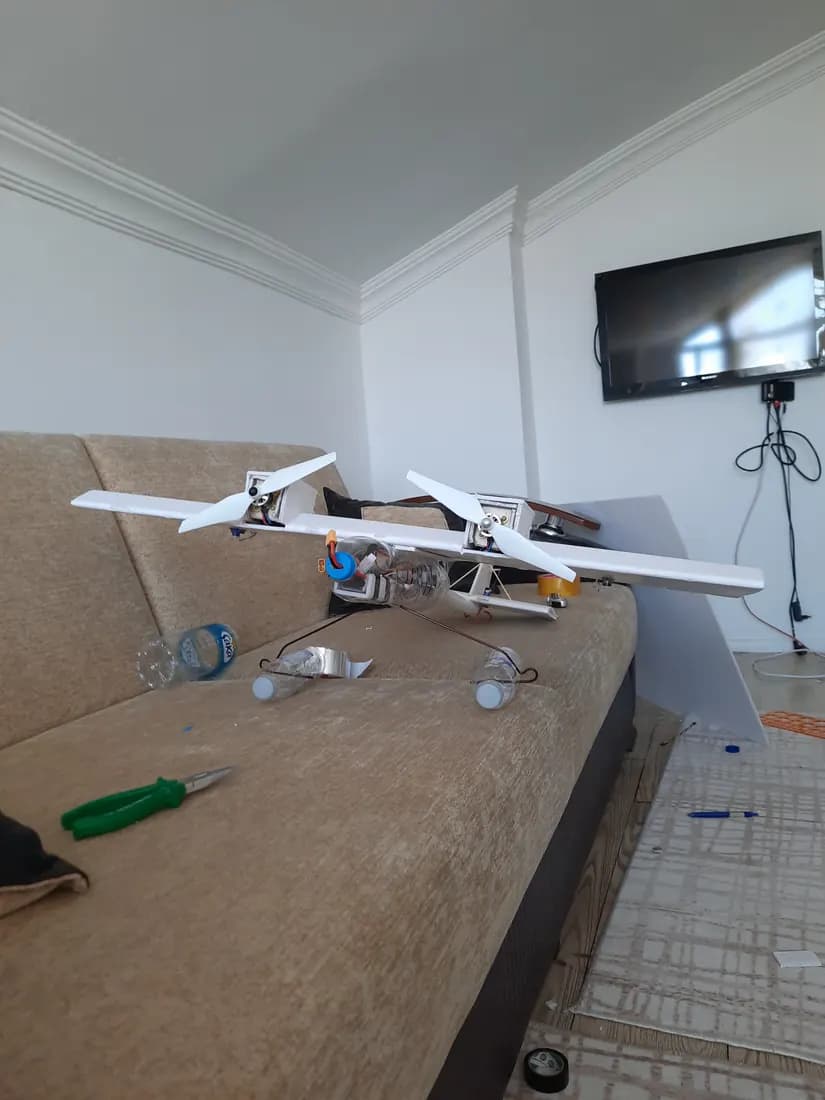
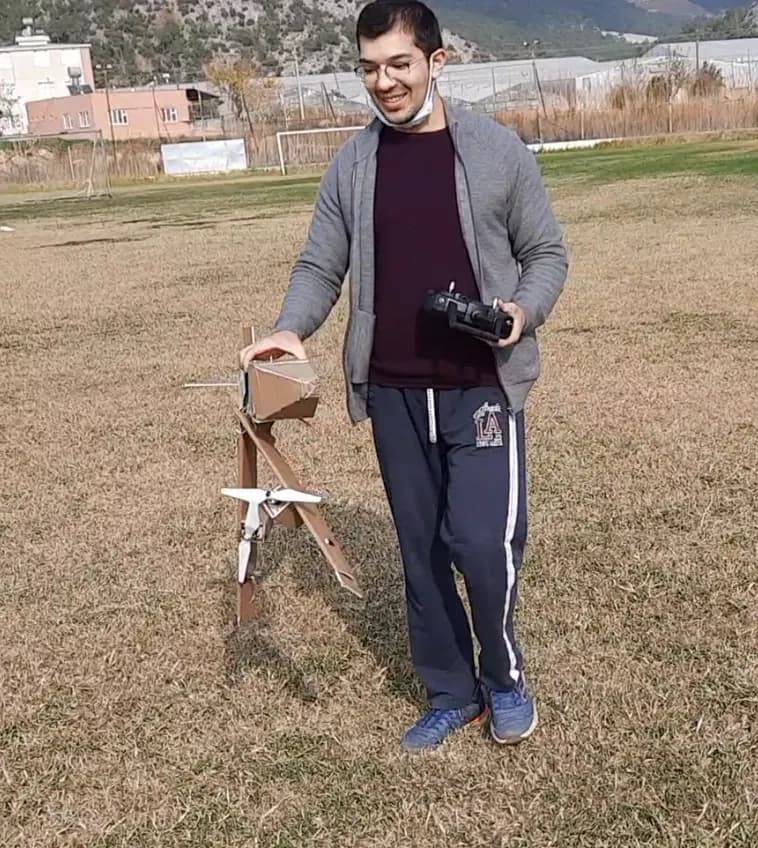
      Unmanned aerial vehicle prototypes.

    4. Eighth semester

      Localization of the Covid disease, whose effects are just ending, by combining different types of data sets shared on the internet.

    5. Internship

      Detecting peripheral vascular disease with high accuracy using thermal imaging on patients via 3D CNNs, an innovative approach for disease diagnosis (university project).

  2. There's a quiet, delightful peculiarity to bestowing an imaginary life upon steel. The digital twin is less a schematic and more a shadow bound to bone and iron, born and aging alongside its twin so that the factory grounds don't collapse and disintegrate under our watchful eye. It captures a rhythm where human vision often falls short, saving us from the sudden, ear-piercing groans of weary machines and the blind panic of unexpected stops. But beyond merely anticipating wear and tear, it imbues the cold machinery with a kind of borrowed instinct. In those rare moments of autonomy when we take our hands completely off the wheel and trust the system to find its way within its own self-defined world, this shadow becomes an internal compass. If the machine can survive here, it's only because its twin has already traversed each of those dark and difficult corners long before the first gear even begins to turn.

  3. Each year the city grows more crowded, millions of people simply want to get to work, get home, or sit by an open window before nightfall. But our desire to move has long surpassed the desire to pave the world with asphalt. When physical space runs out, the solution ceases to be a matter of asphalt and becomes an architecture of thought. This is where computer science comes in, not with bulldozers, but with logic. It treats the expanding urban labyrinth as a giant, living graph, allowing algorithms to sense the weight of our restless haste long before it turns into congestion. Through real-time optimization, dynamic routing, and distributed coordination, lines of code silently absorb the friction of an overcrowded world. It anticipates fluctuations, balances competing currents along quiet paths, and directs an overwhelming wave of people into an effortless flow. This is a subtle, invisible blessing.

  4. A solitary mind, however brilliant, always runs up against the ceiling of its own breath. For years we tried to build giants, monolithic intelligences tasked with carrying the entire weight of our ambition alone, only to find that a single center of gravity carries too much inertia to outrun the horizon. Multi-agent systems abandon the romance of the solitary thinker. Instead of one lonely oracle, they assemble something like a multitude of agile, specialized wills, each holding only a fragment of the world, debating and negotiating across silent channels in a dialect of pure intent.

    When we accelerate that collective pulse, stripping the friction from their consensus and shaving the hesitation from their shared memory, thought ceases to be a slow, linear march. They divide the impossible into microscopic duties, fanning out across thousands of hypothetical futures in the quiet space between heartbeats. It is not just about computing faster, it is also about folding time itself, letting a choir of artificial minds solve tomorrow’s collisions before we have even finished pointing the way.

  5. And right there, that is where my favorite research comes in. Trying to understand humanity, which may very well be impossible, but perhaps that was never the failure. Perhaps that was always the point...

    We spent generations asking computer science to tame our nature, feeding our unruly instincts into crisp conditional statements and expecting a human soul to compile cleanly. But we are not invariant states. We are creatures who will choose cobalt over crimson on a sudden, inexplicable urge, order a bitter drink on a rainy afternoon just to feel the sting, or rewrite our entire lives because the autumn light hit an alleyway at an unfamiliar angle. You cannot cage that in a deterministic if-else branch without suffocating the very thing you were hoping to observe.

    In the end, this research isn't about writing code that solves humanity like an equation. It is about teaching silicon how to leave room for the mystery.

(04) Projects

Selected research
projects

The project I am working on now, and the direction I want to take next.

01 / 02
Current project

Research on the psychological behaviors people exhibit in traffic.

In my master's thesis (2026), I worked on a simulation environment where individuals update their memories daily based on their traffic experiences, thereby altering the probability distribution of their future behaviors. In this model, drivers can update their memories, either to stick to established habits or to pursue better travel times may end up creating a city-wide circulation of behavior patterns. This circulation can shift based on numerous factors affecting traffic, however, identifying and understanding these specific factors was not the goal of my thesis, as the set of possible outcomes for thousands of vehicles is vast. My primary objective was to optimize the simulation's speed so that I could run numerous tests in seconds rather than hours, and the results demonstrate that I achieved this. As my paper has not yet been published, this is all I can share for now.
Ask KAYAI about this
02 / 02
Planned future areas of study

AI agents that represent people, at the scale of a city.

Is it possible to configure AI agents to represent a human being? Yes, I think it is entirely possible, and I am certain that many researchers are already doing so.

But what if we wanted to model hundreds, thousands, or even millions of people as agents? I suppose we would need to reserve Jensen's entire order book for a century—or else we could turn this into a serious research topic!

Ask KAYAI about this

(05) Publications

Publications

All publications on Google Scholar ↗
  • Authors

    F. Kaya, E. Şanlı, Ö. Albayrak, P. Ünal, P. Kırcı

    Summary

    Being a cornerstone of Industry 4.0, the Asset Administration Shell (AAS) enables seamless integration and interaction between the physical and digital worlds. To support the tool and technology selection decisions of AAS modelers and implementers, four active open-source tools — AASX Server, Eclipse BaSyx, FA³ST Service and NOVAAS — were compared using a comprehensive criteria list, first in learning exercises and then in a real case study with digital twins of assets in a petrochemical facility. Eclipse BaSyx demonstrated superior performance compared with the other three tools.

    Digital twinAsset Administration ShellIndustry 4.0Interoperability

    Sensors, vol. 25, no. 7, article 1978 (MDPI, open access). Published 22 March 2025.

    Ask KAYAI about this paper
  • Authors

    F. Kaya, A. Ünal, Ö. Albayrak, P. Ünal, P. Kırcı

    Summary

    Robust, interoperable digital twins require structured semantic frameworks such as the Asset Administration Shell (AAS). The paper examines semantic interoperability via AAS, AASX data formats, time-series data management and middleware, and focuses on unsupervised anomaly detection — Median Absolute Deviation and Mahalanobis distance — in industrial streaming data. In a case study, sensor data were analysed through a newly developed Eclipse BaSyx plugin integrated with InfluxDB and MQTT, demonstrating effective real-time anomaly detection.

    Asset Administration ShellAnomaly detectionMahalanobis distanceMedian Absolute DeviationIndustry 4.0

    21st International Conference on Mobile Web and Intelligent Information Systems (MobiWIS 2025), Istanbul, 11–13 August 2025. LNCS vol. 16066, pp. 114–128.

    Ask KAYAI about this paper
  • Authors

    F. Kaya, P. Kırcı

    Summary

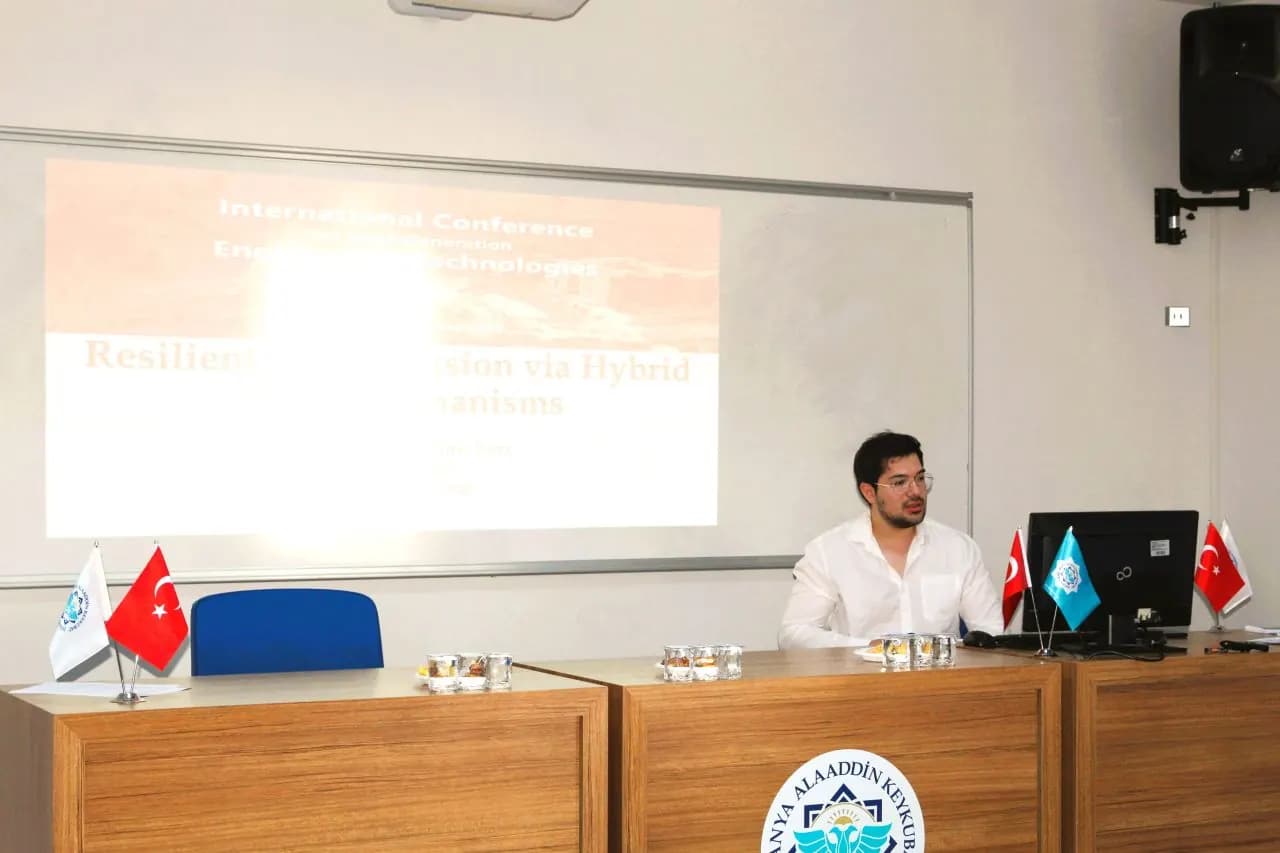
    A hybrid sensor fusion framework that uses a two-layer architecture to handle Byzantine faults by treating sensors as a cooperative swarm. An off-chain layer detects anomalies with Leave-One-Out consistency checks, while an on-chain layer applies blockchain-inspired reputation tracking for long-term disqualification. MATLAB simulations with spoofing, bias-drift and coalition attacks show that the system maintains accurate fused outputs, and how stability trade-offs change with parameter settings.

    Sensor fusionByzantine faultsAnomaly detection

    International Conference on Next-Generation Engineering Technologies (ISNET 2025), Antalya, 30 October – 1 November 2025, pp. 55–57.

    Ask KAYAI about this paper
  • Authors

    F. Kaya, P. Kırcı

    Summary

    Idle waiting times at traffic lights, a significant portion of urban driving time, present an opportunity for energy recovery. This study evaluates opportunistic wireless charging integrated into dynamic traffic flow using a real-world city simulation model. Without any change in driver behaviour, idle times alone could cover 6.4% of the average energy consumption per vehicle — even with current SAE J2954 charging capacities — indicating significant potential with future higher-power systems.

    Opportunistic chargingWireless power transferElectric vehiclesSUMO

    Mediterranean Smart Cities Conference (MSCC 2025), Fes, Morocco, 13–15 October 2025, pp. 1–7.

    Ask KAYAI about this paper
  • Authors

    F. Kaya, P. Kırcı

    Summary

    The grid-side implications of on-route, opportunistic wireless charging — where EVs charge during routine traffic dwell — are compared with a conventional depot plug-in regime that concentrates charging after service. A city-scale microscopic traffic–power simulation over six hours with a mixed EV fleet shows that distributing energy across operating hours significantly reduces instantaneous loading and load peaks, whereas compressing charging into a terminal window produces a high-magnitude peak. Temporal regulation of charging is key to grid compatibility.

    Electric vehicle chargingWireless power transferOpportunistic chargingCity-scale SUMO scenario

    International Conference on Science, Technology and Management in Energy (eNergetics 2025), Belgrade, Serbia, 24–25 November 2025, pp. 235–240.

    Ask KAYAI about this paper
  • Authors

    F. Kaya, P. Kırcı

    Summary

    An integrated system that generates globally collision-free routes for multiple agents on real-world road networks derived from OpenStreetMap, using Conflict-Based Search for centralised route optimisation and Cellular-Automata-inspired rules for local movement. Contributions: an enhanced hybrid OSM–SUMO route conversion that robustly turns planned routes into executable SUMO edge sequences, and an analysis and visualisation framework for evaluating the performance, spatio-temporal behaviour and conflict resolution of CBS solutions.

    Multi-agent pathfindingConflict-Based SearchOpenStreetMapSUMOCellular Automata

    2025 Innovations in Intelligent Systems and Applications Conference (ASYU 2025, IEEE), Bursa, 10–12 September 2025.

    Ask KAYAI about this paper
  • Authors

    F. Kaya, P. Kırcı

    Summary

    A natural-language interface that lets users query a time-series database such as InfluxDB without writing query code. The hybrid design uses a deterministic, rule-based engine wherever exact queries must be produced — avoiding LLM hallucinations — and hands the retrieved data to Llama 3.1 to turn the numbers into clear insight. A working prototype demonstrates the approach.

    Time-series databaseInfluxDBLLMNatural language interface to databases

    Proceedings of the 2nd International Conference on Advances in Electrical, Electronics, Energy, and Computer Sciences (ICEEECS 2025), Skopje, 24–25 October 2025, pp. 271–277. SCITEPRESS.

    Ask KAYAI about this paper
  • Authors

    F. Kaya, P. Kırcı

    Summary

    An adaptive approach to traffic signal control based on Monte Carlo Tree Search. Integrated with the SUMO simulator through the Traffic Control Interface (TraCI), the controller optimises signal timings by exploring possible future traffic scenarios, with state representation, action selection and reward tailored to traffic control. Demonstrated on a single intersection, preliminary observations show the prototype adapting its decisions to fluctuating demand.

    Monte Carlo Tree SearchTraffic signal controlSUMOAdaptive controlIntelligent transportation systems

    MEKON 2025, Istanbul, 26–27 June 2025. In: Recent Advances in Mechatronics Engineering II, pp. 5–8.

    Ask KAYAI about this paper

(06) Collaboration

Collaboration

My work spans academia and industry — from power-plant instrumentation and autonomous-vehicle deployment in Norway to conference presentations in 6 countries. I welcome enquiries where our research interests overlap.

Areas of interest

  • Joint research on digital twins, Industry 4.0 and anomaly detection
  • Intelligent transportation and multi-agent simulation (SUMO)
  • Industry R&D partnerships in autonomous and smart-mobility systems
  • Co-authored publications and joint student projects

Exploring a collaboration?

KAYAI can indicate which of my projects relate to your research question.

Ask KAYAI

Drag to rotate

Bursa

Home base · Bursa Uludağ University

Istanbul

MobiWIS & MEKON 2025

Ankara

Digital-twin research partners

Antalya

BSc · ISNET 2025

Częstochowa

Erasmus+ 2021

Norway

Level 4 autonomous bus deployment

Belgrade

eNergetics 2025

Skopje

ICEEECS 2025

Fes

MSCC 2025

  • 01Bursa Uludağ UniversityPhD research and research assistantship in Computer Engineering; Data Structures laboratory instructor.University · 2024 — now
  • 02TEKNOPAR & TED UniversityIndustry 4.0 and digital-twin research with an industrial technology partner, based on real petrochemical-industry digital twins.Research network · 2024 — now
  • 03ADASTEC Corp. & KARSANR&D on the world's first mass-produced Level 4 autonomous bus, in service in Norway.Industry · 2023 — 2024
  • 04Shanghai Electric GroupInstrumentation and control at a 1320 MW thermal power plant.Industry · 2022 — 2023
  • 05Politechnika CzęstochowskaErasmus+ semester in Electrical-Electronics Engineering.Exchange · 2021

(07) Contact

Contact

For research collaborations, invited talks or academic enquiries, please use the form or write directly to kayafatih@uludag.edu.tr. My university email gets the quickest reply.

Subject